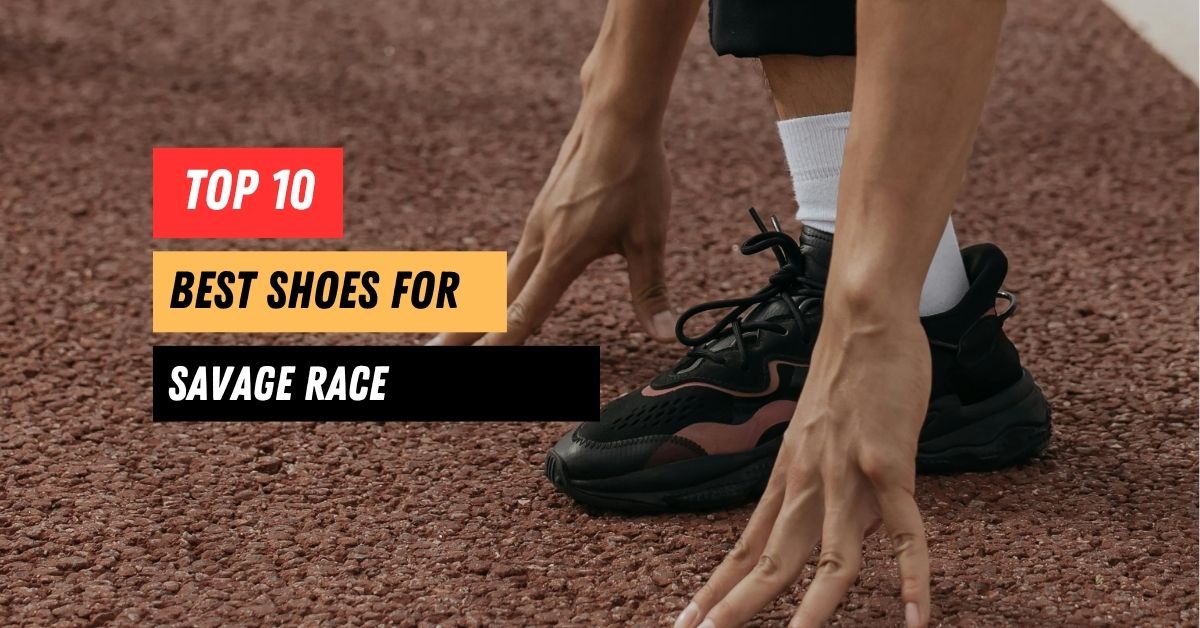
10 Best Shoes for Savage Race
Welcome to our in-depth guide on Best Shoes for Savage Race, created for athletes who demand grip, durability, and confidence on extreme obstacle courses. Savage Race events combine mud, water, ropes, and technical terrain, making footwear one of the most critical gear choices. The right shoes can improve traction, drainage, and foot protection throughout every mile. In this guide, we focus on shoes built to handle aggressive conditions. Our goal is to help you perform at your peak.
Choosing the right pair is not just about comfort but about survival on the course. Savage Race obstacles test lateral stability, toe protection, and outsole bite. Poor footwear can lead to slips, fatigue, or blisters long before the finish line. We evaluated traction, drainage, fit, and durability across popular obstacle-ready shoes. Below are our detailed findings.
Best Shoes for Savage Race
1. Salomon Speedcross 6
The Salomon Speedcross 6 is a powerhouse for muddy and aggressive Savage Race terrain. Its deep chevron lugs provide exceptional grip on wet mud, loose dirt, and slippery inclines. The shoe feels secure during steep climbs and fast descents. Runners who value traction above all else will appreciate its confidence-inspiring outsole.
The upper is built with abrasion-resistant materials that hold up well against rope climbs and debris. A snug, sock-like fit keeps the foot locked in during lateral movements. This design reduces internal slipping when the shoe gets wet. Breathability is balanced to allow airflow without sacrificing durability.
Cushioning is firm yet responsive, which works well for obstacle-heavy courses. The midsole absorbs impact without feeling spongy or unstable. This helps maintain balance when landing on uneven surfaces. Long race efforts feel supported without excessive foot fatigue.
Drainage performance is solid, though the snug fit means water exits gradually rather than instantly. Once drained, the shoe regains its lightweight feel quickly. Overall, it excels in muddy Savage Race conditions where grip is essential. It is a favorite among experienced obstacle racers.
Pros
- Outstanding traction in mud
- Secure, locked-in fit
- Durable upper materials
Cons
- Narrow fit for wide feet
- Firm ride for casual runners
2. Merrell Agility Peak 5
The Merrell Agility Peak 5 blends trail running comfort with obstacle race toughness. Its outsole provides reliable grip on dirt, rock, and mixed terrain. While not as aggressive as some mud-specific shoes, it performs consistently across varied obstacles. This balance makes it suitable for Savage Race courses with diverse surfaces.
The upper features reinforced overlays that resist abrasion during rope climbs and crawling sections. It offers a slightly roomier toe box, improving comfort over longer distances. This extra space helps reduce pressure and toe fatigue. The fit still remains secure during fast directional changes.
Cushioning is generous and protective, making it a strong option for runners who want comfort over extended efforts. The midsole smooths out rough terrain and hard landings. Stability remains impressive despite the softer feel. This combination supports both running segments and obstacle transitions.
Drainage is adequate, though the thicker materials retain some moisture after water obstacles. However, the shoe maintains structure even when wet. It is ideal for racers who want comfort without sacrificing too much grip. The Agility Peak 5 suits both newcomers and seasoned competitors.
Pros
- Comfortable cushioning
- Durable, protective upper
- Versatile terrain performance
3. Inov-8 Mudclaw G 260
The Inov-8 Mudclaw G 260 is built specifically for extreme mud and obstacle racing. Its aggressive studs bite deeply into soft ground and slick surfaces. This makes it exceptionally reliable during muddy Savage Race courses. Few shoes match its raw traction.
The graphene-enhanced outsole improves durability without adding weight. This material resists wear even after repeated use on abrasive terrain. The upper is minimalist yet tough, designed to handle ropes and obstacles. It keeps weight low while maintaining protection.
Cushioning is minimal, prioritizing ground feel and agility. This design benefits racers who prefer responsiveness over plush comfort. The shoe feels fast and nimble in technical sections. Stability remains excellent during lateral movements.
Drainage is one of its strongest features, with water exiting quickly after submersion. The shoe feels light almost immediately after water obstacles. This makes it ideal for wet, muddy races. It is best suited for experienced racers who want maximum control.
Pros
- Extreme mud traction
- Lightweight and responsive
- Excellent drainage
Cons
- Minimal cushioning
- Not ideal for hard surfaces
4. Altra Lone Peak 8
The Altra Lone Peak 8 offers a unique zero-drop platform for Savage Race athletes. Its wide toe box allows natural toe splay, improving balance on uneven obstacles. This design enhances comfort during long race segments. It appeals to runners who prefer a natural running feel.
The upper is reinforced to withstand abrasion from ropes and rugged terrain. Despite the roomy toe area, the midfoot fit remains secure. This balance prevents internal slipping during lateral movements. The shoe feels stable even on technical sections.
Cushioning is moderate and evenly distributed, providing comfort without instability. The midsole absorbs impact while maintaining ground awareness. This helps runners adapt quickly to changing terrain. Fatigue is reduced over longer distances.
Drainage is respectable, though the wider design holds slightly more water initially. Once drained, the shoe dries efficiently. It performs best on mixed terrain rather than deep mud. The Lone Peak 8 is a strong choice for comfort-focused racers.
Pros
- Wide, comfortable toe box
- Stable zero-drop platform
- Good all-around durability
Cons
- Average deep-mud grip
- Learning curve for zero-drop
5. Nike Wildhorse 8
The Nike Wildhorse 8 is designed for rugged trail running and adapts well to Savage Race conditions. Its outsole provides dependable traction on dirt, gravel, and rocky terrain. While not overly aggressive, it remains consistent across obstacles. This makes it suitable for less muddy courses.
The upper is breathable yet reinforced in high-wear areas. It resists damage during rope climbs and crawling sections. The fit is secure through the midfoot, reducing movement during obstacles. Comfort remains a strong point throughout the race.
Cushioning is responsive and slightly springy, supporting long running segments. The midsole helps absorb impact without feeling unstable. This makes transitions between running and obstacles smoother. Runners who value comfort will appreciate this balance.
Drainage is moderate, with water exiting steadily rather than instantly. The shoe retains some moisture but does not feel heavy for long. It is best for Savage Race events with mixed terrain and fewer deep mud pits. The Wildhorse 8 offers reliable versatility.
Pros
- Comfortable, responsive cushioning
- Durable upper construction
- Stable on mixed terrain
Cons
- Limited aggressive mud grip
- Average drainage speed
6. La Sportiva Bushido II
The La Sportiva Bushido II is a precision-focused trail shoe that performs well in technical Savage Race environments. Its sticky outsole delivers strong grip on rocks, dirt, and hard-packed terrain. While not a mud-specialist, it excels on courses with mixed technical obstacles. The shoe feels confident and controlled underfoot.
The upper is tightly constructed with reinforced materials for abrasion resistance. This makes it reliable during rope climbs and contact-heavy obstacles. The snug fit improves lateral stability and prevents foot movement inside the shoe. Racers who like a race-ready feel will appreciate its structure.
Cushioning is firm and low-profile, enhancing ground feedback and responsiveness. This setup favors agility over plush comfort. It allows quick adjustments when navigating uneven terrain. Stability remains excellent during fast transitions.
Drainage is decent, though the dense upper holds some water initially. Once moving, the shoe regains its lightweight feel. It is best suited for drier or rocky Savage Race courses. The Bushido II rewards precise footwork.
Pros
- Excellent stability
- Precise, secure fit
- Durable construction
Cons
- Not ideal for deep mud
- Narrow fit profile
7. Reebok All Terrain Craze
The Reebok All Terrain Craze is built with obstacle racing in mind. Its aggressive outsole pattern delivers strong grip on mud, dirt, and wet grass. This makes it a solid option for Savage Race courses with frequent slippery sections. Traction remains consistent throughout the race.
The upper features a reinforced mesh designed to handle abrasion and rope friction. It strikes a balance between breathability and toughness. The fit feels secure without being overly tight. This helps maintain comfort during long events.
Cushioning is moderate and responsive, supporting both running and obstacle elements. The midsole provides enough protection without sacrificing agility. Stability is reliable during lateral movements. This makes it suitable for varied race profiles.
Drainage is efficient, with water exiting quickly after submersion. The shoe dries faster than many trail-focused models. It maintains performance even in wet conditions. The All Terrain Craze is a dependable obstacle race performer.
Pros
- Strong mud traction
- Quick drainage
- Obstacle-ready design
Cons
- Less cushioning for long runs
- Limited hard-surface comfort
8. Adidas Terrex Speed Ultra
The Adidas Terrex Speed Ultra is a lightweight trail shoe that adapts well to Savage Race demands. Its outsole provides dependable grip on dirt, gravel, and mixed terrain. While not extremely aggressive, it performs consistently across obstacles. The shoe favors speed and efficiency.
The upper is thin yet reinforced in key areas for durability. It resists tearing during rope climbs and crawling sections. The fit is snug and race-oriented, keeping the foot locked in place. This enhances control during fast movements.
Cushioning is responsive and energetic, supporting longer running segments. The midsole offers a smooth ride without feeling unstable. This helps maintain momentum throughout the course. Fatigue is minimized during extended efforts.
Drainage is adequate, though not the fastest in deep water sections. The lightweight build helps it dry quickly once moving. It is ideal for Savage Race courses with longer running portions. Speed-focused racers will enjoy its feel.
Pros
- Lightweight and fast
- Secure fit
- Good mixed-terrain grip
Cons
- Average deep-mud traction
- Less protective upper
9. VJ XTRM 2
The VJ XTRM 2 is a high-performance shoe built for extreme conditions. Its outsole delivers exceptional grip on wet rock, mud, and loose terrain. This makes it highly effective for demanding Savage Race obstacles. Traction remains reliable even in unpredictable conditions.
The upper is extremely durable and abrasion-resistant. It handles rope climbs and rugged obstacles with ease. The fit is snug and supportive, enhancing stability during lateral movements. This design prioritizes control and protection.
Cushioning is firm and responsive, favoring precision over softness. The shoe feels agile and confident on technical terrain. Ground feedback is excellent, allowing quick adjustments. Stability remains consistent throughout the race.
Drainage is efficient, with minimal water retention after submersion. The shoe quickly returns to a lightweight feel. It is best suited for experienced racers tackling tough courses. The XTRM 2 thrives in harsh conditions.
Pros
- Elite traction
- Highly durable upper
- Excellent stability
Cons
- Firm ride
- Less forgiving for beginners
10. Saucony Peregrine 13
The Saucony Peregrine 13 is a versatile trail shoe well-suited for Savage Race events. Its outsole provides strong grip on dirt, mud, and rocky terrain. This versatility makes it reliable across varied course conditions. It performs consistently from start to finish.
The upper is lightweight yet reinforced to handle abrasion. It holds up well during rope climbs and obstacle contact. The fit is secure through the midfoot while remaining comfortable in the toe box. This balance supports long race efforts.
Cushioning is responsive and protective, absorbing impact on hard landings. The midsole maintains stability without feeling bulky. This helps runners stay efficient during running segments. Fatigue is reduced over longer distances.
Drainage is solid, with water exiting at a steady pace. The shoe does not feel heavy after wet sections. It is an excellent all-around option for Savage Race competitors. The Peregrine 13 balances grip, comfort, and durability.
Pros
- Well-rounded performance
- Good mud and trail grip
- Comfortable cushioning
Cons
- Not the most aggressive outsole
- Moderate drainage speed
| Product Name | Traction Type | Drainage | Best For |
|---|---|---|---|
| Salomon Speedcross 6 | Aggressive mud lugs | Moderate-fast | Deep mud courses |
| Merrell Agility Peak 5 | All-terrain grip | Moderate | Mixed terrain races |
| Inov-8 Mudclaw G 260 | Extreme mud studs | Very fast | Wet and muddy races |
| Altra Lone Peak 8 | Balanced trail grip | Moderate | Comfort-focused racers |
| Nike Wildhorse 8 | Multi-surface outsole | Average | Long running segments |
| La Sportiva Bushido II | Technical terrain grip | Moderate | Rocky courses |
| Reebok All Terrain Craze | Obstacle-specific lugs | Fast | Obstacle-heavy races |
| Adidas Terrex Speed Ultra | Light trail grip | Moderate | Speed-focused racers |
| VJ XTRM 2 | High-friction outsole | Fast | Extreme conditions |
| Saucony Peregrine 13 | Versatile trail lugs | Moderate-fast | All-around performance |
Best Shoes for Savage Race: Buying Guide
Traction and Outsole Design
Traction is the most critical factor when choosing shoes for Savage Race. Courses often include mud pits, slick inclines, and uneven terrain that demand aggressive lugs. Deeper and wider-spaced lugs perform better in soft mud, while sticky rubber helps on rocks and wooden obstacles. Choose based on the typical conditions of the races you plan to enter.
Drainage and Water Management
Savage Race courses frequently involve water crossings and full submersion. Shoes with quick-draining uppers and minimal water retention feel lighter and more comfortable after wet obstacles. Poor drainage can lead to heavy shoes and blisters. Look for designs that release water efficiently and dry quickly.
Fit and Stability
A secure fit prevents internal foot movement during lateral obstacles and rope climbs. Shoes that are too loose can cause instability, while overly tight shoes may lead to discomfort. Midfoot lockdown and heel stability are especially important. Always prioritize control and balance.
Cushioning and Ground Feel
Cushioning preferences vary among racers. Some athletes prefer minimal cushioning for better ground feedback and agility, while others want more protection for longer distances. Savage Race often mixes running with obstacles, so a balanced midsole works well for most competitors. Choose cushioning that matches your running style.
Durability and Protection
Obstacle races are tough on footwear. Reinforced uppers, toe protection, and abrasion-resistant materials help shoes survive rope climbs and crawling sections. Lightweight shoes are appealing, but durability should never be compromised. A well-built shoe maintains performance throughout the race.
FAQ
Are trail running shoes good for Savage Race?
Yes, trail running shoes are commonly used for Savage Race because they offer better traction and stability than road shoes. However, not all trail shoes are ideal. Models with aggressive outsoles, good drainage, and durable uppers perform best. Obstacle-specific features make a noticeable difference.
Do I need aggressive mud shoes for every Savage Race?
Not always. Course conditions vary by location and weather. If the race is known for heavy mud, aggressive shoes are beneficial. For drier or mixed courses, versatile trail shoes may be more comfortable. Researching the course beforehand helps guide your choice.
Should shoes fit tighter for obstacle racing?
A slightly snug fit is recommended to prevent foot movement during obstacles. Excess space can cause instability and blisters. However, shoes should not be painfully tight. A secure midfoot with comfortable toe room is ideal.
How important is drainage in Savage Race shoes?
Drainage is extremely important due to frequent water obstacles. Shoes that hold water feel heavier and increase fatigue. Fast-draining designs improve comfort and performance. This feature becomes more critical in longer races.
Can I use minimalist shoes for Savage Race?
Minimalist shoes can work for experienced racers who prefer ground feel. However, they offer less protection and cushioning. Savage Race obstacles can be harsh, so minimalist options are best for those accustomed to them. Beginners may prefer more protective shoes.
How long do Savage Race shoes typically last?
Durability depends on materials and usage. Obstacle racing is demanding and can wear shoes faster than normal trail running. High-quality shoes often last multiple races if well cared for. Rotating shoes can extend their lifespan.
Verdict
Choosing the best shoes for Savage Race can significantly impact your performance and comfort. The ideal pair combines strong traction, effective drainage, stable fit, and durable construction. Whether you prefer aggressive mud shoes or versatile trail runners, matching footwear to course conditions is key. With the right choice, you can focus on conquering obstacles and reaching the finish line with confidence.