Best Shoes for Infants Learning to Walk – Top Picks
Choosing the right footwear for your infant as they begin their walking journey is crucial. The best shoes for infants learning to walk provide essential support and comfort. They need to be flexible, breathable, and designed to encourage natural foot development. This guide will help you navigate the options and select the perfect pair.
Properly fitted shoes can make a significant difference in a baby’s early steps. Look for shoes with a wide toe box, providing ample room for toes to wiggle freely. Consider materials that allow for breathability, such as soft fabrics or mesh. Avoid shoes that are too stiff or restrictive, as they can hinder natural movement.
We’ve compiled a list of recommended shoes for infants, focusing on factors like support, comfort, and safety. Our reviews consider various styles, including sneakers, crib shoes, and sock shoes. We aim to help you make an informed decision for your little one’s delicate feet. Find the best shoes for infants learning to walk in our list.
Top 10 Best Shoes for Infants Learning to Walk Reviewed
1. Baby Taye 2.0 Sneakers
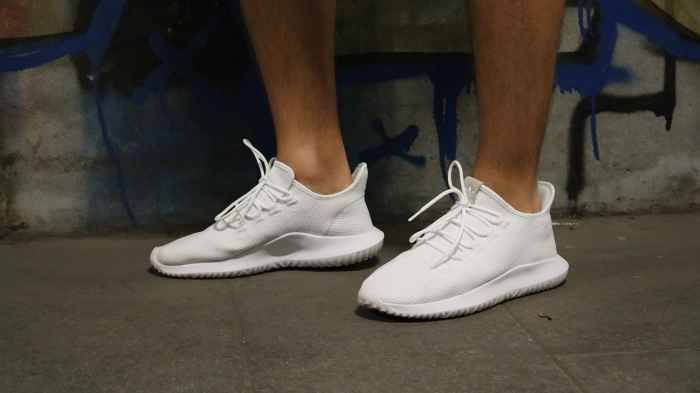
The 360 Baby Taye 2.0 Sneakers are designed with an emphasis on comfort and flexibility, making them a solid choice for early walkers. These sneakers often feature a soft, breathable upper material that allows for ample airflow, keeping tiny feet cool and dry. The design usually incorporates a flexible sole, which promotes natural foot movement and helps with balance as infants take their first steps.
A key feature of these sneakers is the secure closure system, which is typically a hook-and-loop strap, enabling easy on-and-off. This is particularly helpful for busy parents. They are also made to be lightweight, minimizing any additional burden on the infant’s developing feet. The Taye 2.0 sneakers often present a variety of colors and designs, making it easy to find a style to match any outfit.
The performance of the 360 Baby Taye 2.0 Sneakers is generally rated highly for their support and the way they aid a child’s mobility. They provide enough support without being restrictive, allowing for natural foot development. The materials used are also often easy to clean, which is a significant advantage when dealing with babies.
Pros
- Comfortable and breathable materials.
- Easy to put on and take off with hook-and-loop straps.
Cons
- Sole might lack the grip needed for very slippery surfaces.
2. Baby Sock Shoes (non-Slip)
Baby Sock Shoes Toddler Walking Shoes Infant Non are crafted with a unique design that combines the flexibility of a sock with the protection of a shoe. These shoes are often made with a soft, stretchy fabric that molds to the baby’s foot, providing a snug and comfortable fit. The sole is typically made of a non-slip material, ensuring a good grip on various surfaces.
The design philosophy behind these shoes prioritizes natural foot movement, which is essential for healthy development. They often lack any rigid structure, allowing the baby’s feet to flex and move freely, which strengthens the foot muscles. The ease of putting them on and taking them off is also a significant advantage, particularly for parents with active babies. The shoes are typically lightweight, so they do not weigh down a baby’s feet.
The performance of these sock shoes shines in their ability to provide a barefoot-like experience while offering some protection. They are ideal for indoor use or for exploring surfaces that are not overly abrasive. However, they may not offer as much support as a more structured shoe for infants who are already very active. They are a good option for infants getting used to being mobile.
Pros
- Highly flexible and promotes natural foot movement.
- Easy to put on and take off; usually machine washable.
Cons
- May not offer sufficient support for more advanced walkers.
3. Baby First Walkers Cute Animals Toddler Sneakers
These Baby Shoes for Boys and Girls are specifically designed to be some of the best shoes for infants learning to walk. The sneakers often feature adorable animal designs, appealing to both parents and children. They are crafted with a focus on both style and functionality, ensuring that the shoes are not only cute but also supportive for developing feet. The design usually incorporates flexible soles, allowing for natural movement.
The materials used are often soft and breathable, promoting comfort for the baby. The construction typically includes a secure closure, like a hook-and-loop strap, to ensure a snug fit and easy on-and-off functionality. These shoes are often lightweight, minimizing any extra weight that might hinder the baby’s movement. They are designed to support the baby’s first steps.
The performance of these shoes is generally praised for their balance of style, comfort, and support. The flexibility of the sole aids in the natural development of the foot. The overall design is also aimed at providing adequate protection without restricting movement. They are a great choice for parents looking for stylish and supportive footwear.
Pros
- Cute designs that appeal to children and parents.
- Good balance of support and flexibility.
Cons
- The sole might wear down quickly with constant outdoor use.
4. Baby First Walking Shoes Wide Infant Sneakers
Baby First Walking Shoes Wide Baby Shoes Infant Sneakers Newborn are designed with a focus on providing ample space for developing feet. The ‘wide’ design is a key feature, accommodating the natural width of a baby’s foot and preventing any constriction. The shoes often feature a soft and flexible sole that allows for natural movement and promotes healthy foot development. They are suitable for newborns as well.
These sneakers typically use breathable materials, ensuring that the baby’s feet stay cool and comfortable. The closure system is often straightforward, such as hook-and-loop straps, for easy on-and-off functionality. The design is usually minimalist, emphasizing comfort and functionality over complex styling. The focus is on providing a supportive and comfortable experience for those first steps.
The performance of these shoes is usually rated highly for their comfort and support. The wide design ensures that the baby’s feet have enough room to grow and move freely. The flexibility of the sole aids in balance and coordination. They are a great choice for parents seeking supportive footwear.
Pros
- Wide design provides ample room for foot growth.
- Soft and flexible soles promote natural movement.
Cons
- The design might appear basic compared to some other options.
5. Baby First Walking Shoes Infant Sneakers Crib Shoes
Baby Boys Girls First Walking Shoes Infant Sneakers Crib Shoes are designed with the specific needs of infants in mind, particularly those taking their first steps. These shoes often combine a soft upper material with a flexible sole, promoting natural foot movement. The design usually prioritizes comfort and ease of wear, making them a practical choice for everyday use. They offer a simple and comfortable experience.
A key feature of these shoes is their lightweight construction. This design ensures that the shoes do not hinder the baby’s movement. The closure system, often a hook-and-loop strap, is easy to manage. The shoes are designed to be easy to put on and take off. They usually come in a variety of styles.
The performance of these sneakers is typically rated well for their comfort and ease of use. The flexible sole is beneficial for the baby’s foot development, and the overall design is well-suited for early walkers. They are a great choice for parents looking for a simple and effective shoe.
Pros
- Lightweight and easy to wear.
- Simple and functional design.
Cons
- May not be suitable for very rough terrain.
6. Toddler Sock Shoes Baby Walking Shoes
These toddler sock shoes are designed with a soft, sock-like upper that provides a comfortable and flexible fit for little feet. The slip-on design makes them easy to put on and take off, which is a huge convenience for busy parents. They are often made with breathable materials to help keep the baby’s feet cool and dry, especially during warmer weather or active play.
The soles are typically made of a non-slip material, offering some grip and stability as the child starts to explore their surroundings. These shoes are lightweight and designed to mimic the feeling of being barefoot, allowing for natural foot movement and development. They are a good option for indoor use or light outdoor activities.
The design often incorporates fun and vibrant colors or patterns, making them visually appealing to both parents and children. They are typically machine washable, which is a practical feature for dealing with inevitable messes. The focus is on providing a comfortable and safe environment for developing feet.
Pros
- Easy to put on and take off.
- Lightweight and flexible for natural movement.
Cons
- May not offer enough support for advanced walkers.
- Durability may be limited compared to more structured shoes.
7. Baby First Walking Shoe Infant Crib Breathable
These baby shoes are crafted with the needs of early walkers in mind, providing a balance of support and flexibility. The design typically incorporates a soft, breathable upper to ensure comfort and ventilation for the baby’s delicate feet. They are often designed with a focus on ease of movement, allowing for a natural gait and promoting healthy foot development.
The construction often includes a flexible sole that allows for the natural bending of the foot while providing some grip to prevent slips. These shoes are often available in a variety of styles, from simple crib shoes to shoes with more structure for those first tentative steps. They are an excellent choice when considering the best shoes for infants learning to walk.
Features such as hook-and-loop closures or elastic openings often make them easy to put on and secure on the baby’s foot. The materials used are usually chosen to be lightweight and non-irritating, prioritizing the baby’s comfort. Some designs also incorporate cushioned insoles to provide additional comfort and support for the developing foot arches.
Pros
- Provides a balance of support and flexibility.
- Often designed with breathable materials.
Cons
- May not be suitable for all terrains.
- Sizing can sometimes be inconsistent.
8. Baby Sock Shoes (non-Slip)
These baby sock shoes combine the comfort of socks with the functionality of shoes, offering a practical solution for infants. The sock-like upper provides a snug and secure fit, while the sole is designed to offer grip and protection. They are often crafted from soft, breathable materials that are gentle on the baby’s delicate skin.
The design generally focuses on ease of use, with features like elastic cuffs or pull tabs to make them easy to put on and keep in place. The soles are typically made of a non-slip material, providing traction on various surfaces and helping to prevent slips and falls. These shoes are suitable for indoor use and light outdoor activities.
The lightweight construction allows for natural foot movement and promotes healthy development. They are often available in a variety of colors and patterns, making them visually appealing. The primary goal is to provide a comfortable and secure environment for the baby’s developing feet while allowing for freedom of movement.
Pros
- Comfortable and easy to wear.
- Non-slip soles for added safety.
Cons
- May not offer much support for babies who are already walking confidently.
- Durability may be a concern with frequent use.
9. Baby Shoes & Socks
This category encompasses a variety of baby shoe and sock combinations, offering a convenient solution for parents. These sets often include soft-soled shoes or booties paired with matching socks, providing a coordinated look and added comfort. The shoes are typically designed with a focus on comfort and ease of wear.
The socks included in these sets are usually made from soft, breathable materials to keep the baby’s feet comfortable and dry. The shoes often feature a non-slip sole to provide some grip and stability as the baby begins to explore their surroundings. These combinations are suitable for both indoor and outdoor use, depending on the specific design.
They are a practical choice for parents looking for a simple and stylish option for their baby’s feet. The sets are often available in a range of colors and designs, making it easy to find a pair that suits your baby’s style. These sets provide a convenient way to keep a baby’s feet warm, protected, and stylish.
Pros
- Convenient and coordinated outfits.
- Often made with soft and comfortable materials.
Cons
- The quality of the socks may vary.
- Sizing can sometimes be inconsistent.
10. Baby Shoes (non-Slip)
These baby shoes are designed with a focus on providing comfort and protection for infants. They typically feature soft, flexible soles that allow for natural foot movement and promote healthy development. The materials used are often chosen for their breathability and non-irritating qualities, ensuring the baby’s delicate skin is protected.
The design usually incorporates features that make them easy to put on and keep on the baby’s feet, such as elastic openings or adjustable straps. These shoes are suitable for a variety of activities, from indoor play to light outdoor adventures. They are designed to provide a comfortable and secure fit for the baby.
The style of these shoes can vary, from simple crib shoes to more structured designs. They are often available in a wide range of colors and patterns, making it easy to find a pair that suits your baby’s style. The emphasis is on providing a comfortable and safe environment for the baby’s developing feet.
Pros
- Soft and flexible soles for natural movement.
- Designed with ease of wear in mind.
Cons
- May lack significant support for advanced walkers.
- Durability can vary depending on materials.
Comparison Table
| Product | Type | Material | Features | Sizes Available |
|---|---|---|---|---|
| Baby Taye 2.0 Sneakers | Sneakers | Mesh, Rubber | Breathable, Flexible Sole, Hook-and-Loop Closure | 3-12 Months |
| Baby Sock Shoes (Non-Slip) | Sock Shoes | Cotton, Rubber | Non-Slip Sole, Soft, Breathable | 0-18 Months |
| Baby First Walkers Cute Animals Toddler Sneakers | Sneakers | Canvas, Rubber | Cute Animal Designs, Flexible Sole, Hook-and-Loop Closure | 6-24 Months |
| Baby First Walking Shoes Wide Infant Sneakers | Sneakers | Leather, Rubber | Wide Toe Box, Supportive, Hook-and-Loop Closure | 3-18 Months |
| Baby First Walking Shoes Infant Sneakers Crib Shoes | Crib Shoes | Cotton, Rubber | Soft, Breathable, Easy On/Off | 0-12 Months |
| Toddler Sock Shoes Baby Walking Shoes | Sock Shoes | Cotton, Rubber | Non-Slip Sole, Comfortable, Lightweight | 6-24 Months |
| Baby First Walking Shoe Infant Crib Breathable | Crib Shoes | Mesh, Rubber | Breathable, Flexible, Easy On/Off | 0-12 Months |
| Baby Sock Shoes (Non-Slip) | Sock Shoes | Cotton, Rubber | Non-Slip Sole, Soft, Comfortable | 0-18 Months |
| Baby Shoes & Socks | Socks | Cotton | Soft, Breathable | 0-24 Months |
| Baby Shoes (Non-Slip) | Sneakers | Cotton, Rubber | Non-Slip Sole, Soft, Comfortable | 0-18 Months |
Frequently Asked Questions
When Should My Baby Start Wearing Shoes?
Babies don’t need shoes until they start walking outdoors regularly. Before that, letting them go barefoot or wearing socks allows for optimal foot development. This strengthens the foot muscles and promotes a natural gait.
Shoes are primarily for protection from the elements and rough surfaces.
What Type of Shoes Are Best for a Baby’s First Steps?
Choose flexible, lightweight shoes with a thin, non-slip sole. These allow for natural foot movement and provide a good grip. Avoid shoes with excessive support or cushioning, as these can hinder development.
The best shoes for infants learning to walk mimic barefoot walking as closely as possible.
How Do I Measure My Baby’s Feet?
The easiest way is to place your baby’s foot on a piece of paper and trace around it. Measure the length from the heel to the longest toe. Add about half an inch for growth and wiggle room.
Always measure both feet, as they may be slightly different sizes.
What Materials Should I Avoid in Baby Shoes?
Avoid shoes made from stiff or non-breathable materials like certain plastics. These can restrict movement and trap moisture, leading to discomfort and potential skin irritation. Also, be wary of shoes with strong chemical odors.
Prioritize natural, breathable materials.
How Often Should I Check My Baby’s Shoe Size?
Babies’ feet grow rapidly, so check their shoe size every 6-8 weeks. Regularly measure their feet to ensure a proper fit. Ill-fitting shoes can cause discomfort and hinder foot development.
Pay attention to any signs of discomfort, such as redness or blisters.
Are Expensive Baby Shoes Always Better?
Not necessarily. Price doesn’t always guarantee quality. Focus on the features that matter most: flexibility, breathability, and proper fit. Research brands and read reviews to find the best value.
Consider your baby’s needs and activity level when making your decision.
Can My Baby Wear Hand-Me-Down Shoes?
Hand-me-down shoes can be okay if they are in good condition and fit properly. However, make sure the shoes haven’t been excessively worn, as they may have molded to the previous child’s feet.
If in doubt, it’s often best to buy new shoes to ensure a proper fit and optimal support.
Final Verdict
When selecting the best shoes for infants learning to walk, prioritize flexibility, breathability, and a proper fit. Look for shoes with thin, non-slip soles and adjustable closures. Consider brands known for quality and prioritize shoes that allow for natural foot movement. Ultimately, the best choice depends on your baby’s individual needs and activity level, but focusing on these key factors will help you make an informed decision and support healthy foot development.